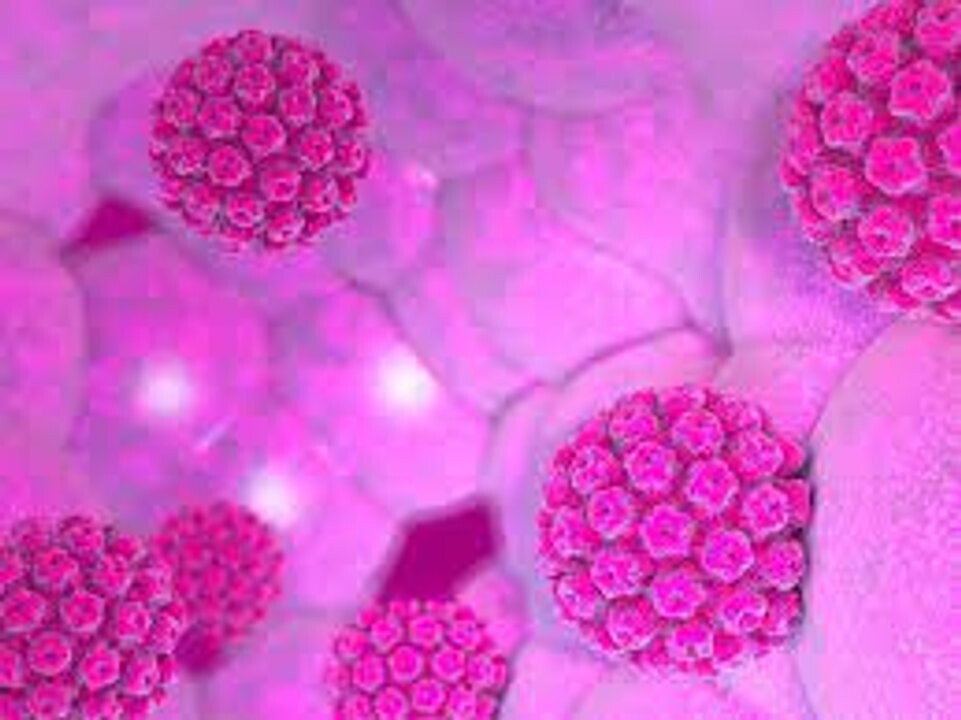
Human Papillomavirus (HPV) is the most common sexually transmitted infection in the world. It is estimated that four out of five sexually active people will contract it at some point in their lives. Although there are more than 100 types of HPV, approximately 40 of them can affect the genital or anal area. Transmission occurs mainly through contact with skin and mucous membranes, as occurs during any type of sexual contact, and a single contact is enough to acquire the infection. However, it is not transmitted, as was mistakenly believed, by sharing objects or using public bathrooms, according to a report accessed by the Argentine News Agency.
«HPV is very common and often has no symptoms, so information and prevention are fundamental. The current challenge is compliance with the vaccination schedule», the report states.
According to official data from the Ministry of Health, HPV vaccination coverage in 2024 reached only 55.5% in women and 50.9% in men. This decline is part of a broader deterioration in adherence to the National Vaccination Calendar.
«Pending doses create a false sense of protection, when in reality full immunity is achieved with the complete schedule», remarked Burgos. This same pattern is replicated in adolescence and has a direct consequence on vaccination against diseases such as HPV.
Data from the Directorate for the Control of Immunopreventable Diseases show that the HPV vaccine had already been accumulating a sustained decline in previous years. This situation exposes thousands of children and adolescents to being left unprotected and increases the health risk for the entire community in the face of a possible resurgence of preventable diseases.
«Argentina has one of the most complete vaccination calendars in the region. For protection to be effective, it is essential that families and health teams review the vaccination record and take advantage of every medical consultation to ensure that vaccinations are up to date», warned Fernando Burgos (M.N. 81,759), a pediatrician and head of the Outpatient Pediatrics Section at Hospital Austral.
The phenomenon is even more evident in booster shots, where coverage levels fall even further and, in some cases, are below 70%. The most critical point is in vaccinations corresponding to early childhood. At five years of age, booster coverage for measles, mumps, rubella, and varicella is only between 45 and 47%, which means that more than half of children are not receiving the necessary doses to prevent diseases that are still present or persist.
«As children grow, the frequency of pediatric consultations decreases, and this directly impacts vaccination. This decline is evident when comparing the different stages of the calendar. For vaccines such as rotavirus, pentavalent/hexavalent, or polio (IPV), coverage drops several percentage points between the first dose and subsequent ones», Burgos noted.
«The main challenge is not starting the schedules, but ensuring they are completed on time and in full», experts point out. These figures represent one of the most significant setbacks in the calendar and bring back the risk of the reappearance of diseases that the Argentine health system had managed to control.
HPV can also cause other types of related cancers, such as anal, vaginal, and vulvar cancer. Although there is no specific treatment to eliminate the virus, there are ways to prevent it and detect its consequences in early stages. «Having clear data, talking about the issue without prejudice, and supporting families from the health system allows for reducing risks and taking care of health in the long term», stated Dr. María Cecilia Torroija. «In most cases, the infection goes away on its own, but in others, it can persist and cause different types of cancer, as it is estimated that 99% of cervical cancer cases are linked to HPV, and according to the Global Cancer Observatory, it is the third most frequent in women and the fourth cause of cancer mortality in young women in the country».